HOA Fire Safety Vendor Compliance Audit
A compliance audit framework for OC HOA boards to evaluate fire safety vendors covering inspection schedules, code requirements, and documentation standards.
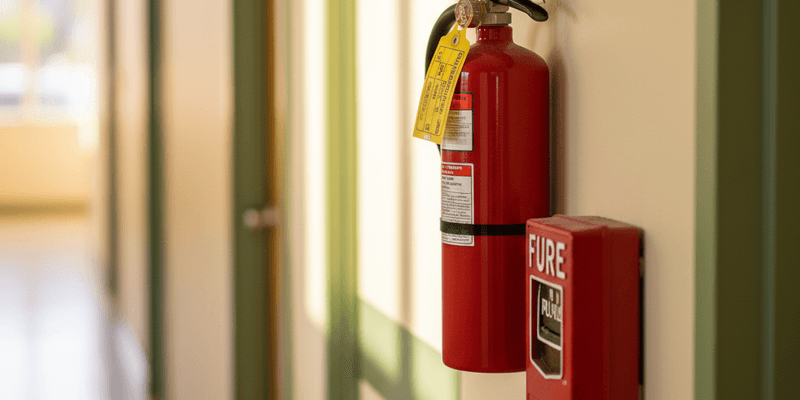
Fire safety systems in HOA communities — alarms, sprinklers, extinguishers, standpipes, and emergency lighting — require regular inspection under California Fire Code and NFPA standards. The fire safety vendor handles the hands-on work, but the board owns the compliance obligation. A structured audit ensures the vendor is actually performing to code, not just billing for it.
Required inspection frequencies under California code
The board should verify the vendor is performing inspections at these minimum intervals:
- Fire alarm systems: annual inspection and testing per NFPA 72. This includes smoke detectors, pull stations, notification appliances, and the fire alarm control panel.
- Fire sprinkler systems: annual inspection per NFPA 25, with quarterly visual inspections of sprinkler heads, control valves, and water flow alarms.
- Fire extinguishers: annual inspection with six-year maintenance and 12-year hydrostatic testing per NFPA 10.
- Emergency and exit lighting: monthly 30-second functional tests and annual 90-minute battery discharge tests per NFPA 101.
- Standpipe systems: annual flow tests where applicable.
- Fire doors: annual inspection per NFPA 80. This is frequently overlooked in residential associations.
What the compliance audit should check
At least annually, the board or a designated committee member should audit:
- Inspection certificates: verify that inspection tags, certificates, and reports exist for every system and match the required schedule.
- Deficiency tracking: review any deficiencies noted during inspections. Are they being corrected within the timeframes specified? Outstanding deficiencies create liability.
- Vendor qualifications: confirm the vendor holds a valid California CSLB C-16 Fire Protection Contractor license and appropriate NICET certifications for technicians performing alarm and sprinkler work.
- Orange County Fire Authority (OCFA) coordination: if the association is in an OCFA jurisdiction, verify the vendor is filing required reports and coordinating with the local fire marshal as needed.
- Documentation completeness: all inspection reports, deficiency corrections, and system modifications should be filed in a central location accessible to the board and management.
Common gaps boards discover during audits
- Expired extinguishers: extinguishers in parking structures and pool houses are frequently missed during inspection rounds.
- Unreported deficiencies: vendors sometimes note deficiencies verbally to the manager without documenting them in writing, leaving the board unaware.
- Emergency lighting neglect: monthly functional tests are often skipped because they are time-consuming across large properties.
- Fire door hardware: self-closing and latching hardware on fire-rated doors degrades over time and is easy to overlook.
Building the audit into the board calendar
Schedule the compliance audit two months before the association's insurance renewal date. A clean audit strengthens the board's position during insurance negotiations and demonstrates due diligence to underwriters.
Where this article points next
Boards completing fire safety audits should also review elevator and lift compliance requirements and ensure vendor insurance certificates are current for all life-safety service categories.
Ready to hire?
Browse vetted vendors in our Orange County directory.