HOA Elevator and Lift Vendor Compliance
Compliance requirements and vendor oversight for OC HOA boards managing elevator and lift maintenance contracts under California safety codes.
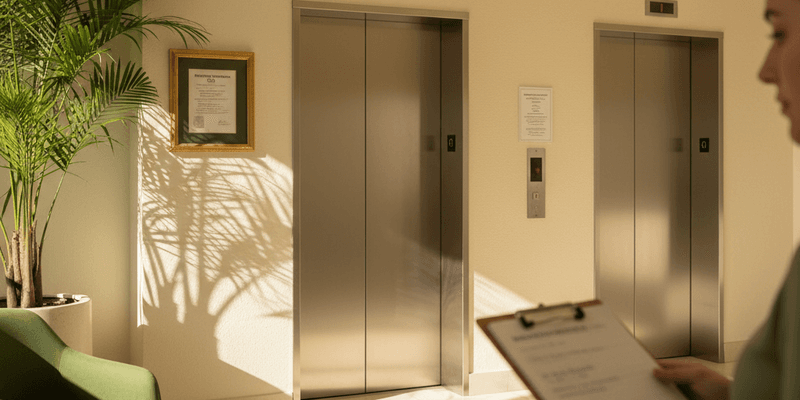
Elevators and lifts in HOA communities carry a unique regulatory burden. California requires annual inspections by a certified inspector, and the association is responsible for maintaining the equipment in compliance with the California Code of Regulations, Title 8, §3000–3141 (Elevator Safety Orders). Boards that delegate this entirely to a vendor without oversight expose the association to safety risk and potential regulatory penalties.
What the maintenance contract must include
An elevator or lift maintenance agreement should define:
- Service type: full maintenance (vendor covers all parts and labor) versus oil-and-grease (vendor performs routine service but bills separately for parts and major repairs). Full maintenance contracts cost more monthly but protect against unpredictable repair costs.
- Visit frequency: monthly service is standard for most residential elevators. Higher-traffic buildings or older equipment may require more frequent visits.
- Response time: define maximum response times for entrapments (one hour is the industry standard) and for non-emergency repairs (24–48 hours).
- Scope of covered components: specify what is included — controller, motor, door operators, safety devices, cab interior, fixtures, and phone/intercom systems.
- Exclusions: clearly list what the contract does not cover (vandalism repair, cosmetic upgrades, code-required modernizations).
Annual inspection and permit requirements
Under California law, every elevator must be inspected annually by a Certified Competent Conveyance Mechanic (CCCM) or by the Division of Occupational Safety and Health (Cal/OSHA). The board should:
- Confirm the annual inspection is scheduled and completed before the permit expiration date.
- Request and review the inspection report for any deficiencies.
- Ensure the vendor corrects all noted deficiencies within the timeframe specified by the inspector.
- Verify the operating permit is posted inside the elevator cab as required.
Do not assume the vendor handles permit renewals automatically. Some associations have discovered lapsed permits only during a real estate transaction or insurance audit.
Board oversight beyond the contract
Directors should monitor:
- Callback frequency: track how often the vendor is called for service between scheduled visits. Rising callbacks indicate aging equipment or inadequate maintenance.
- Modernization timeline: most residential elevator systems require significant modernization every 20–25 years. The board should maintain a capital plan for this expense.
- Insurance coordination: verify the vendor carries adequate liability coverage and that the association's own policy covers elevator-related incidents.
- Resident communication: post clear instructions for entrapment procedures, including the emergency phone number and what residents should do while waiting.
When to consider a second opinion
If the vendor recommends a major modernization or replacement, engage an independent elevator consultant to verify the recommendation and review the proposed scope and pricing. Elevator modernization projects commonly range from $75,000 to $250,000 per unit — an independent review protects the association's reserve funds.
Where this article points next
Boards managing elevator compliance should also review their fire safety vendor audit process and ensure vendor insurance certificates remain current across all high-liability service categories.
Ready to hire?
Browse vetted vendors in our Orange County directory.