HOA Open Meeting and Notice Checklist
A board-ready checklist for Orange County HOA leaders who need cleaner meeting notice workflows, agenda discipline, and defensible owner communication records.
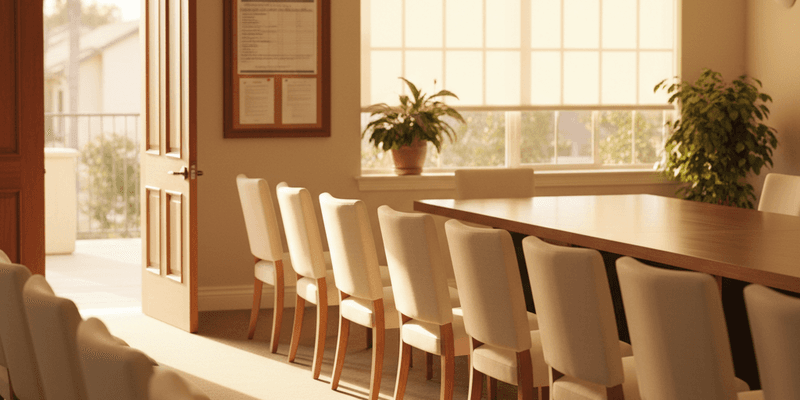
Orange County HOA boards usually get into trouble with meetings long before anyone walks into the room. The friction starts when notice windows, agenda ownership, and homeowner communication expectations are left implicit.
A usable board process should make three things clear before any meeting is posted:
- Who owns the notice packet. Someone should be responsible for the agenda draft, supporting documents, and the final resident-facing version that actually gets distributed.
- What decisions are truly ready. If the board has not reviewed the proposal, reserve impact, or policy language in advance, the item probably is not ready for final action.
- How the association will document the record. Owners should be able to see when notice went out, what was considered, and what follow-up steps were assigned after the meeting.
Checklist before the notice is sent
Run through this list before a notice leaves the office:
- Confirm the meeting date, start time, location, and any remote-access instructions.
- Lock the agenda so directors and the manager are not circulating conflicting versions.
- Attach the board packet items that residents or directors need in order to understand the decisions under review.
- Flag any homeowner-facing deadlines that depend on the meeting outcome.
- Identify who will post, email, or mail the notice and when that work must be complete.
- Save the final notice version in the same folder the board will later use for minutes and follow-up.
Agenda sections that keep meetings cleaner
Most boards benefit from a simple, repeatable structure:
- Call to order and roll call so attendance is documented immediately.
- Approval items for minutes or prior actions that need a clean record.
- Decision items with the supporting context the board reviewed ahead of time.
- Owner communication items that explain what residents should expect next.
- Follow-up assignments with one named owner and a clear due date.
Where Orange County boards lose time
The most common failure pattern is not a legal technicality. It is operational drift. A manager posts one version of the notice, a director sends a different agenda by email, and the board reaches the meeting without alignment on what is actually ripe for action.
That drift creates preventable owner mistrust even when the board is trying to be transparent.
A practical recordkeeping habit
After each meeting, save one packet that includes:
- the final notice,
- the final agenda,
- any attached exhibits the board reviewed,
- the minutes or decision summary, and
- the owner follow-up message if one was sent.
That packet gives the board a cleaner operational record and makes the next notice cycle easier because the team can start from an actual checklist instead of memory.
Use this article as the planning lens. If the board also needs a reusable vendor or communication brief, move next into the site's first-party resource flow so the task owner can hand off one documented scope instead of a verbal summary.
Ready to hire?
Browse vetted vendors in our Orange County directory.