HOA Annual Meeting Planning and Attendance Guide
A planning guide for OC HOA boards organizing annual meetings that meet quorum requirements, comply with California notice rules, and encourage meaningful homeowner attendance.
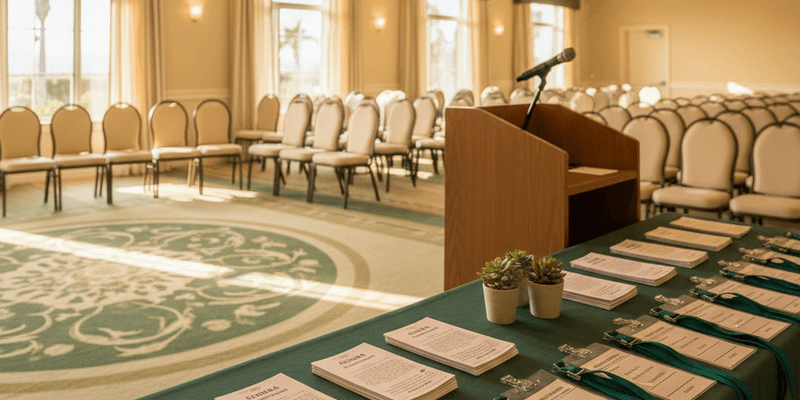
The annual meeting is the one event where the board is accountable to the full membership. When it is poorly planned, poorly attended, or procedurally deficient, the board loses an opportunity to build trust — and may create legal vulnerabilities around elections, budget ratification, and quorum validity.
Planning a productive annual meeting starts months before the event, not the week before.
Timeline: 90 days before the meeting
A reliable annual meeting requires a 90-day preparation runway:
90 days out. Set the date, time, and location. Review the bylaws for meeting-notice requirements, quorum thresholds, and election procedures. Confirm whether the meeting must be held in person, may include virtual attendance, or can be conducted entirely by ballot.
60 days out. Finalize the agenda. California Civil Code § 4920 requires that the notice include the agenda, and business conducted outside the noticed agenda is subject to challenge. Common agenda items include the board's annual report, financial summary, reserve status, election of directors, and an open homeowner forum.
45 days out. Prepare and send the election materials. Under Civil Code § 5100–5145, the association must deliver a ballot package that includes candidate information, voting instructions, and a pre-addressed return envelope. The inspector of elections must be appointed by this point.
30 days out. Send the formal meeting notice. Individual delivery is required — posting alone is not sufficient. The notice must include the date, time, location, agenda, and instructions for submitting a proxy if the bylaws allow proxy voting.
14 days out. Send a reminder communication. This is not legally required but significantly improves attendance. A brief email or postcard reminding owners of the meeting and emphasizing the importance of returning ballots helps the board reach quorum.
Reaching quorum
Quorum failure is the most common annual-meeting problem. When the association cannot achieve quorum, the meeting must be adjourned and rescheduled — often with a reduced quorum threshold if the bylaws permit.
Strategies that improve quorum results:
- Start collecting ballots early. Mailing ballots 45 days before the meeting gives owners time to return them. Ballots received by the inspector before the meeting count toward quorum even if the owner does not attend.
- Make attendance convenient. Choose a time and location that reflects the community's demographics. An evening meeting at the clubhouse works for some communities; a Saturday morning meeting works for others. Virtual attendance options, where the bylaws allow, remove the location barrier entirely.
- Communicate the stakes. Owners attend when they understand what will be decided. If the meeting includes a contested election, a budget that raises assessments, or a proposed rule change, say so in the meeting notice.
- Personal outreach. In smaller communities, a phone call or door knock from a board member can make the difference between quorum and adjournment.
Running the meeting
The meeting itself should follow a structured format:
- Call to order and quorum verification. The inspector of elections confirms that quorum has been met through a combination of ballots received and owners present.
- Board report. A brief summary of the year's accomplishments, challenges, and financial position. Keep it under 15 minutes — owners came to participate, not to listen to a lecture.
- Financial summary. Present the current year's financial highlights and the upcoming year's budget. Reference the reserve study status and any upcoming special assessments or capital projects.
- Election results. The inspector of elections announces the results. The board does not count ballots or announce winners — that is the inspector's role.
- Homeowner forum. Allow time for owner questions and comments. Set a time limit per speaker and keep the forum focused on community issues, not personal grievances.
- Adjournment. Close the meeting and note the date of the next regular board meeting.
Post-meeting follow-up
Within 15 days of the meeting, distribute the meeting minutes to all owners. Include the election results, key financial information shared, and any motions or decisions made during the meeting.
Use the election notice and ballot mailing timeline for the detailed election procedure, and the open meeting and notice checklist to confirm the meeting complied with the Davis-Stirling Open Meeting Act requirements.
Ready to hire?
Browse vetted vendors in our Orange County directory.