HOA Construction Defect Litigation Reserve Impact
How OC HOA boards should assess and budget for the reserve-fund impact of construction defect litigation, including settlement allocation and component repair sequencing.
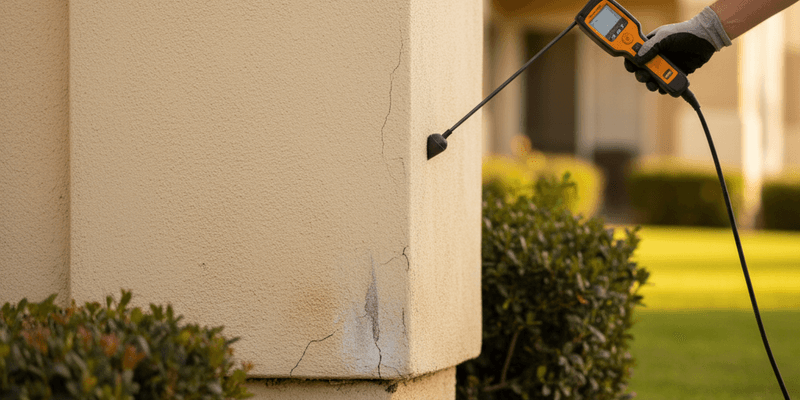
Construction defect litigation reshapes an association's reserve outlook in ways the original study never anticipated. When an OC HOA board discovers defects in building envelope, drainage, roofing, or structural systems, the financial question shifts from "when will we replace this component" to "how do we fund repairs the developer should have built correctly."
Boards that treat litigation as a legal problem separate from reserve planning often end up with a settlement that does not actually cover the repair scope — or a repair timeline that ignores the reserve study entirely.
How litigation changes reserve assumptions
A reserve study prices component replacement based on normal useful life and expected deterioration. Construction defects accelerate that timeline and may change the scope of work. A roof system with a 25-year projected life that fails at year 8 due to flashing defects is now a near-term capital expense the reserve fund was not designed to cover.
When litigation is active, the board should work with both the reserve analyst and litigation counsel to identify which reserve components overlap with the defect claim. This prevents the association from double-counting — budgeting reserve contributions for a repair that may be covered by a settlement.
Settlement allocation and the reserve study
California courts typically allocate construction defect settlements by component category: waterproofing, drainage, structural, mechanical, and similar groupings. When the settlement arrives, the board must decide how to allocate those funds against the reserve study's component list.
Key questions for the board:
- Which reserve components are fully covered by the settlement allocation?
- Which components are partially covered and still need reserve funding for the remaining cost?
- Are there components damaged by the defect that were not in the original reserve study?
- Does the settlement include funds for temporary repairs, relocation, or project management that should be tracked outside the reserve?
Boards should update the reserve study after settlement to reflect the new component conditions, revised useful-life estimates, and any changes in funding requirements.
Budgeting during active litigation
While litigation is pending, the board faces an uncomfortable uncertainty: the defective components may need repair before any settlement is reached. In Orange County, construction defect cases routinely take three to five years from filing to resolution.
During that period, boards should:
- Continue funding reserves at the study-recommended level. Pausing contributions because "the developer will pay" is risky — settlements are never guaranteed.
- Segregate litigation-related expenses. Legal fees, expert inspections, and interim repairs tied to the defect claim should be tracked separately from routine reserve and operating expenditures.
- Communicate the financial uncertainty to owners. The annual budget report should note the pending litigation and explain how the board is managing the reserve impact without disclosing privileged legal strategy.
Post-settlement repair sequencing
Once the settlement is received, the board must sequence repairs against the reserve study timeline. A common mistake is spending the entire settlement on the defective components without considering how that repair work affects adjacent reserve projects.
For example, if waterproofing remediation requires removing and reinstalling exterior finishes, the board should coordinate the painting and coating reserve line items with the defect repair scope rather than paying for two separate mobilizations.
Where this connects
Use the reserve-study board review questions to pressure-test assumptions after a settlement changes the component picture. If the defect repair cost exceeds settlement proceeds, the emergency assessment procedures guide covers the board's options for closing the funding gap.
Ready to hire?
Browse vetted vendors in our Orange County directory.