HOA Reserve Study Board Review Questions
Board-review questions HOA directors can use to pressure-test reserve-study recommendations before they become budget assumptions or owner-facing talking points.
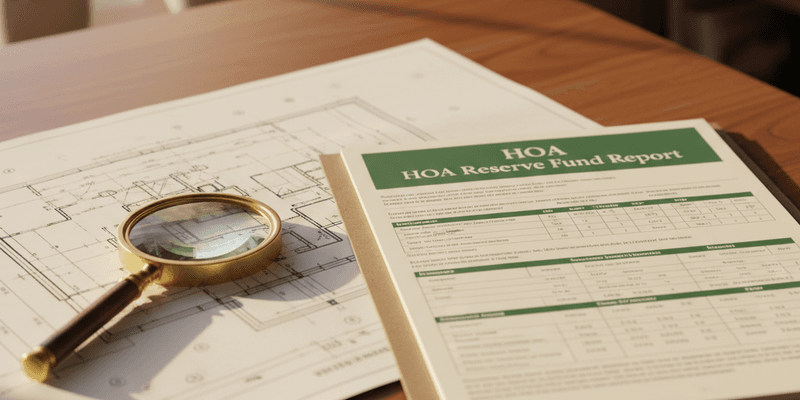
Reserve studies become dangerous when the board receives them as technical documents instead of decision tools. Directors skim the tables, accept the recommendation at face value, and only later realize that the funding path, project timing, or owner message was never fully examined.
A stronger board review starts with questions that turn the study into an operating decision packet.
Questions to ask before the meeting ends
Every reserve-study discussion should answer these basics before the board moves on:
- Which projects drive the recommendation most heavily? If a handful of items create most of the pressure, directors should know that immediately.
- What assumptions changed since the last study or update? Cost inflation, scope changes, and revised useful-life estimates all reshape the board's choices.
- Which dates are strategic estimates versus hard execution windows? Boards should not present placeholders like locked project schedules.
- What happens if the board funds below the recommendation? The risk needs to be described in practical terms, not abstract caution language.
- What homeowner question is most likely to surface first? If the board cannot answer that in the meeting, it is not ready for owner-facing communication.
Stress-test the project assumptions, not just the totals
A reserve recommendation can look reasonable on paper while hiding operational questions the board has not surfaced yet.
Ask the preparer or management team:
- which components may require updated scope before budgeting,
- whether current vendor feedback supports the cost assumptions,
- what site conditions or deferred maintenance could pull the project forward,
- how sensitive the model is to labor or material volatility, and
- whether the board expects any capital project to require a separate owner communication plan.
That keeps the study connected to what the association will actually have to execute.
Turn the review into a budget-ready board brief
After the meeting, the board should not leave with only a marked-up study. It should leave with a one-page summary covering:
- the recommended funding direction,
- the top projects driving the recommendation,
- unresolved questions that must be answered before approval,
- the owner-facing implications for dues, timing, or project expectations, and
- the next meeting where the board intends to act.
That summary becomes the bridge between technical review and budget approval.
Connect reserve decisions to resident communication early
Reserve decisions become much easier to defend when communication planning starts before the project is visible on-site. If the recommendation points toward a major repair, amenity disruption, or visible contractor activity, the board should already be thinking about the capital-project update plan the community will need.
Likewise, if reserve pressure will appear in the annual budget packet, the budget mailing guide should be opened before anyone drafts the owner letter.
What good review discipline looks like over time
Reserve-study review improves when the board uses the same question set every cycle. Directors learn what assumptions move the numbers, managers know what evidence must be ready, and owner messaging stops sounding improvised.
Use this article to make reserve discussions operationally useful, then move into the year-end approval calendar or the capital-project communication plan depending on whether the next pressure is board timing or resident expectations.
Ready to hire?
Browse vetted vendors in our Orange County directory.