HOA Security Patrol Vendor RFP
How OC HOA boards should structure a security patrol vendor RFP covering patrol scope, reporting requirements, incident response, and evaluation criteria.
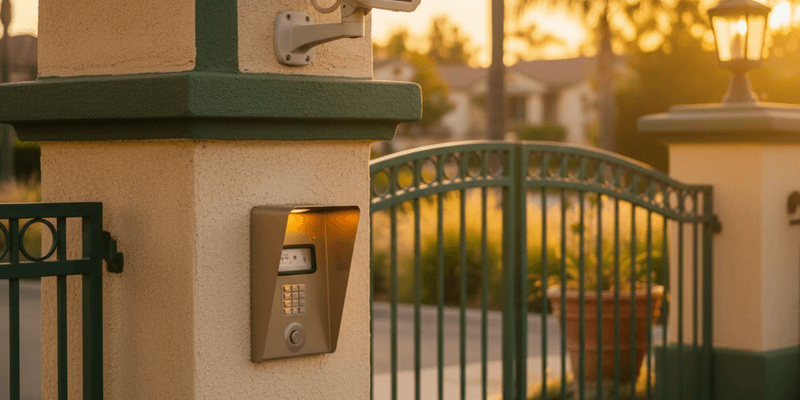
Security patrol is one of the most visible and politically sensitive vendor categories an HOA board manages. Homeowners have strong opinions about patrol presence, response times, and guard conduct. A well-structured RFP protects the board by establishing clear expectations before the contract starts — not after the first incident.
What the RFP scope should define
The security patrol RFP should address:
- Patrol type: mobile vehicle patrol, foot patrol, fixed-post guard, or a combination. Most OC associations use a mix of mobile patrol during overnight hours and foot patrol or fixed post during peak activity periods.
- Schedule: specify days and hours of coverage. Define coverage for holidays, community events, and seasonal adjustments.
- Patrol route and checkpoints: identify specific areas the patrol must cover each shift — gates, parking structures, pool areas, common buildings, perimeter fencing, and trash enclosures.
- Incident response: define expected response to noise complaints, unauthorized access, parking violations, vandalism, and emergencies. Specify when the vendor should contact law enforcement versus handle the situation independently.
- Reporting requirements: daily activity logs, incident reports within 24 hours, and monthly summary reports to the board.
- Guard qualifications: California Bureau of Security and Investigative Services (BSIS) Guard Card, background check, minimum experience, and any site-specific training requirements.
Evaluation criteria to include in the RFP
Tell vendors how bids will be evaluated so they respond accordingly:
- Staffing model: how does the vendor recruit, screen, and retain guards? High turnover means the association constantly retrains site-specific knowledge.
- Supervision structure: who supervises the on-site guards and how often does a field supervisor visit the property?
- Technology: does the vendor use GPS-tracked patrol routes, digital incident reporting, or camera monitoring integration?
- HOA experience: has the vendor served gated communities or condominium associations in Orange County? Ask for three current HOA references.
- Insurance and licensing: verify BSIS Private Patrol Operator (PPO) license, general liability coverage ($1M+ per occurrence), and workers' compensation.
Contract terms the board should negotiate
- Performance metrics: define acceptable response times and reporting completion rates.
- Guard replacement: the board should have the right to request removal of a specific guard without cause. Personality fit matters at residential properties.
- Termination clause: 30-day termination without cause is standard. Avoid contracts that lock the association into long terms without performance review checkpoints.
- Rate lock: negotiate rate guarantees for the first year with defined escalation caps for subsequent years.
- Uniform and vehicle standards: specify appearance requirements for guards and vehicles on the property.
Transition planning
Security vendor transitions require extra care because coverage gaps create immediate risk. Allow a two-week overlap between the outgoing and incoming vendor so the new team learns gate codes, patrol routes, resident expectations, and incident history before assuming full responsibility.
Where this article points next
Boards creating a security patrol RFP should work from the association's general RFP template and coordinate the vendor transition with the standard handoff timeline to ensure no gap in coverage.
Ready to hire?
Browse vetted vendors in our Orange County directory.