HOA Painting and Exterior Vendor Bid Process
A structured bid process for OC HOA boards selecting exterior painting vendors, covering scope definition, bid evaluation, and contract protections.
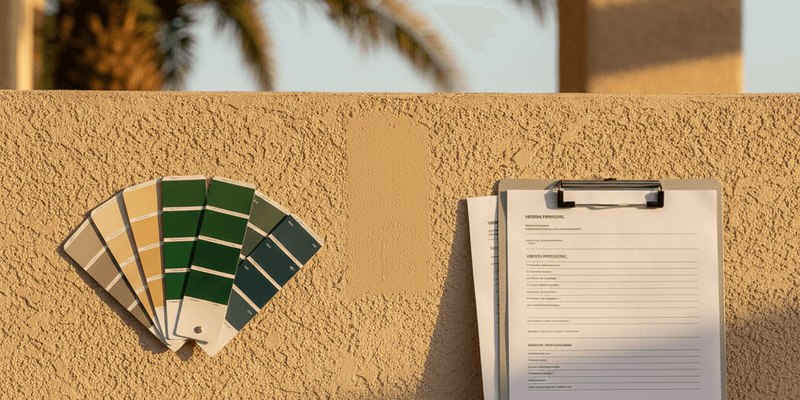
Exterior painting is one of the largest capital maintenance expenses most Orange County HOAs face — often $200,000 to $1M+ depending on community size and building count. A sloppy bid process leads to scope disputes, surprise change orders, and owner frustration. A structured approach protects the association's reserve funds and gives the board defensible documentation.
Define the scope before requesting bids
Before contacting any vendor, the board should establish:
- Building count and surface types: stucco, wood trim, metal railings, garage doors, and fascia all require different preparation and materials.
- Color scheme status: is the board maintaining existing colors or updating? Color changes add cost for extra coats and architectural review requirements.
- Preparation standards: specify power washing, stucco patching, caulking, and dry rot repair expectations. Preparation is where most scope disputes originate.
- Warranty requirements: OC associations should require a minimum five-year warranty on labor and materials. Premium coatings may carry manufacturer warranties of seven to ten years.
- Schedule constraints: define acceptable work hours, noise restrictions, and phasing requirements (building by building vs. all at once).
Structuring the bid request
Send the same written scope to at least three qualified vendors. The RFP should include:
- a detailed scope of work document,
- a site walk schedule (require all bidders to attend),
- the bid submission deadline,
- required insurance minimums and license verification (California CSLB C-33 Painting and Decorating license),
- a sample contract or the association's standard vendor agreement, and
- evaluation criteria so vendors understand how bids will be compared.
Require itemized pricing — lump-sum bids make it nearly impossible to evaluate scope alignment across vendors.
Evaluating bids beyond price
The lowest bid is rarely the best value for exterior painting. Boards should compare:
- Scope completeness: does the bid address all surfaces, preparation steps, and coating specifications in the RFP?
- Material quality: what product lines and coating systems does the vendor propose? Sherwin-Williams, Dunn-Edwards, and PPG all offer HOA-grade exterior systems — ask for specific product names, not just "premium paint."
- Crew and timeline: how many crew members and how many working days? Unrealistically short timelines often signal corner-cutting on preparation.
- References: request three HOA references in Orange County completed within the last two years. Call them.
- Warranty terms: compare labor and material warranty duration and what triggers warranty claims.
Contract protections the board should require
- retention holdback (10% withheld until punch-list completion),
- daily cleanup requirements,
- specific change order approval procedures,
- defined escalation contacts for both the vendor and the association, and
- a completion certificate process with board walkthrough.
Where this article points next
Boards beginning a painting project should also review the capital project communication plan so homeowners understand the timeline, phasing, and access impacts before work begins.
Ready to hire?
Browse vetted vendors in our Orange County directory.