HOA New Homeowner Welcome Packet Checklist
A checklist for OC HOA boards and managers assembling welcome packets that set expectations, deliver required documents, and create a positive first impression for new residents.
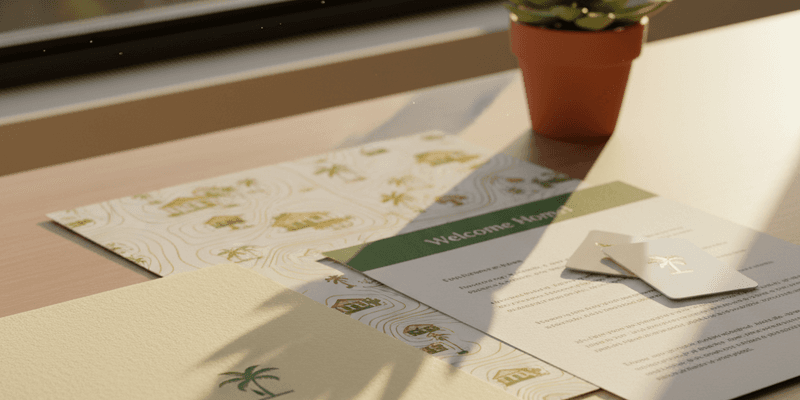
The first interaction a new homeowner has with the association sets the tone for the entire relationship. Boards that send a disorganized stack of documents — or worse, nothing at all — start that relationship with confusion and missed expectations.
A well-structured welcome packet is not a courtesy; it is an operational tool that reduces rule-violation disputes, late-payment issues, and the volume of basic questions that consume manager time.
Required documents under California law
The Davis-Stirling Act requires associations to provide certain documents to new owners, and many of these should be included in or referenced by the welcome packet:
- CC&Rs, bylaws, and operating rules. New owners are bound by these documents whether or not they read them. Including them — or providing clear access instructions — fulfills the board's disclosure obligation.
- Current assessment schedule. The new owner needs to know the amount, due date, payment methods, and late-fee policy from day one.
- Most recent annual budget report. This includes the reserve funding disclosure and the association's financial summary.
- Contact information. The management company, board president, emergency maintenance line, and any community portal login credentials.
Practical items that reduce friction
Beyond legal requirements, effective welcome packets include operational information that prevents the most common new-owner mistakes:
- Parking and vehicle registration. If the association requires vehicle registration, parking decals, or towing authorization, explain the process before the new owner's guest gets towed.
- Architectural modification procedures. Most new owners want to make changes immediately after moving in. Include the modification request form and the committee review timeline.
- Common-area access. Pool keys, gate remotes, gym access cards, and clubhouse reservation procedures should all be documented with instructions for where to obtain them.
- Trash and recycling schedule. This seems minor, but it generates a disproportionate number of manager inquiries in the first month.
- Pet policy summary. If the association has breed restrictions, leash requirements, or registration rules, summarize them clearly rather than asking new owners to find them in the CC&Rs.
Delivery and tracking
The welcome packet should be delivered within 14 days of the ownership transfer recording. Most management companies receive transfer notifications from the title company or HOA management software.
Track delivery with a simple log:
- unit number and new owner name,
- date of ownership transfer,
- date welcome packet was sent,
- delivery method (mail, email, hand-delivered, portal), and
- whether the owner acknowledged receipt.
This log protects the association if a new owner later claims they were never informed about a rule or requirement.
Keeping the packet current
Welcome packets become stale quickly. Assign one person — typically the community manager — to review the packet contents at least annually and after any rule change, assessment increase, or vendor transition that affects the information included.
Use the board communication calendar to schedule the annual packet review, and the rule-change owner communication checklist to ensure any mid-year policy updates are reflected in the next packet version.
Ready to hire?
Browse vetted vendors in our Orange County directory.